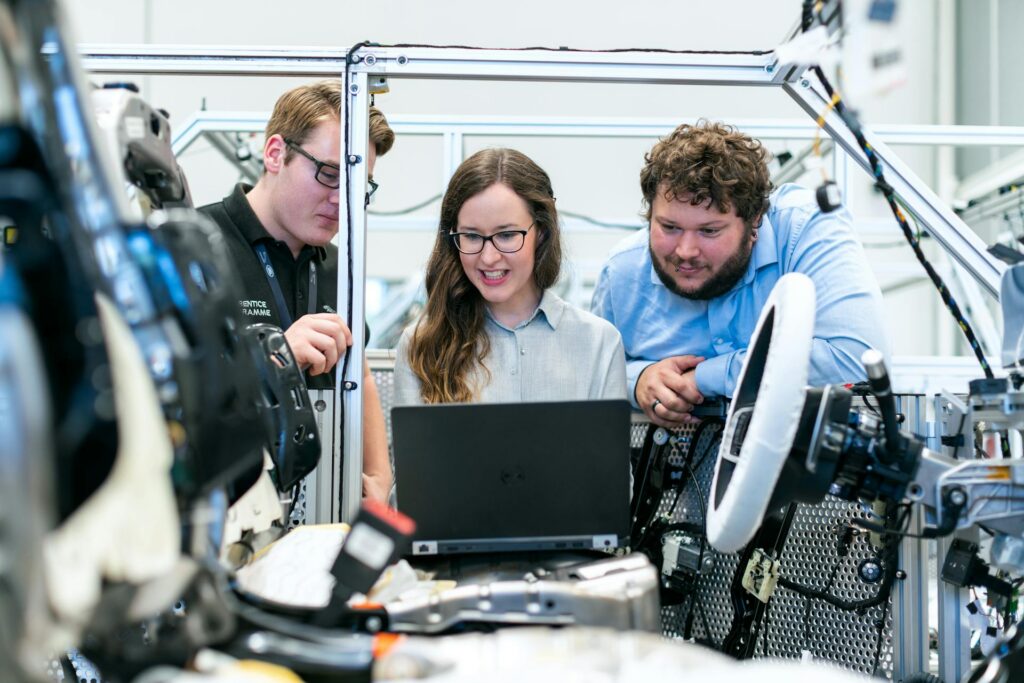
Universities encourage student innovation and inquiry, often sponsoring research projects that place undergraduates and graduate students in laboratory or field environments. When those experiments result in injury or damage, however, the question of liability can quickly become a legal quagmire.
Institutions may be held responsible if it can be shown they failed to uphold their duty of care. Whether the claim involves a physical injury, exposure to hazardous materials, or inadequate supervision, the legal path forward requires careful examination of the facts and circumstances that contributed to the harm.
The legal framework surrounding university liability is shaped by evolving standards in negligence, employment classification, and premises liability. The ability to hold an institution accountable often depends on whether reasonable safety protocols were in place and followed. For injured students and their families, understanding these legal contours is a crucial first step toward pursuing compensation and accountability.
Understanding the University’s Duty of Care
When students participate in university-sponsored research, a special legal relationship is formed. Courts recognize that institutions have a duty to protect students from foreseeable harm while they are engaged in school-related activities. This includes providing adequate supervision, clear safety protocols, functioning equipment, and a safe physical environment in which to work.
That duty extends beyond formal classroom instruction. In the context of research, especially in laboratory or fieldwork settings, the university is responsible for ensuring that students are trained on proper safety procedures and warned about potential hazards. Failure to uphold these responsibilities may constitute a breach of duty, forming the basis for a negligence claim.
Negligence and the Standard of Care
Most legal claims arising from student research injuries are based on negligence. In these cases, plaintiffs must prove that the university owed a duty of care, breached that duty, and directly caused the student’s injury or loss. A central issue is whether the university acted reasonably under the circumstances. That determination often involves examining the institution’s response to known risks, the adequacy of supervision, and whether students were qualified to perform the tasks assigned to them.
For example, assigning an inexperienced student to handle volatile chemicals without proper training or oversight could easily meet the legal standard for negligence. Similarly, ignoring known equipment failures or failing to maintain lab safety systems may also expose a university to liability.
When the Student Is Also an Employee
A significant legal distinction exists between student researchers and student employees. Graduate students who receive compensation or stipends for their research may be considered employees of the university, especially if their work is part of a sponsored grant or program. In such cases, workers’ compensation may apply, offering a limited but structured form of no-fault coverage for injuries sustained on the job.
In contrast, undergraduate students and unpaid researchers are generally not considered employees. If they are injured, their path to compensation usually requires proving negligence.
While this opens the door to a broader range of damages, it also places the burden of proof squarely on the injured party. Courts will examine the degree of control the university exercised over the student’s work, as well as the nature of the activity itself.
Premises Liability in Research Settings
Many student injuries are tied not just to actions or instructions, but to the condition of the research environment itself. Under the principle of premises liability, universities are obligated to maintain reasonably safe facilities. That includes proper ventilation, functional safety showers and eyewash stations, secure storage for hazardous materials, and prompt correction of known hazards.
If a student is injured due to a defective fume hood, inadequate signage, or a lack of emergency response tools, the university may be liable, regardless of the specific research activity involved. These claims are especially relevant when safety issues have been previously reported and not addressed.

Common Factors That Influence Legal Outcomes
Supervision and student preparedness often play a central role in determining whether the university has met its legal obligations. Faculty presence during high-risk activities, documented safety training, and the reasonable assignment of tasks based on experience level are all indicators that the university has exercised appropriate care. Conversely, assigning unsupervised, complex procedures to students with minimal background may suggest negligence.
Another factor is compliance with safety laws and institutional protocols. A university’s failure to follow OSHA standards, internal lab safety policies, or grant-specific oversight procedures can strengthen a claim of liability. Courts also consider whether the injury was foreseeable, meaning the type of harm was a reasonably predictable outcome of the activity, and whether the university took adequate steps to prevent it.
Third-Party Damages and Broader Consequences
Not all research accidents affect only the student performing the experiment. In some cases, damage may extend to others in the lab, nearby university buildings, or off-site participants. Universities can be held liable for these third-party harms under theories of vicarious liability or direct negligence, especially if the student was acting under the university’s direction.
Moreover, misconduct during research, such as falsifying data or improper disposal of chemicals, can result in institutional penalties beyond civil liability. These may include federal investigations, loss of research funding, or reputational harm that persists long after the initial incident.
Legal Defenses and the Limits of Institutional Responsibility
Despite the broad scope of university obligations, institutions may raise several legal defenses. One common defense is the assumption of risk taken by students engaged in potentially dangerous research.
If students are fully informed of the dangers involved in their research and voluntarily choose to participate, the university may argue that the students accepted the risk. However, this defense does not excuse negligent supervision, failure to disclose non-obvious hazards, or violations of basic safety practices.
Another is comparative or contributory negligence, where the university claims that the student’s own actions contributed to the injury. This might apply if a student bypassed known safety procedures or misused equipment. Still, these arguments are less persuasive when the student was inexperienced or simply following instructions.
Public universities may also assert sovereign immunity, which limits or blocks lawsuits under state law. However, many states, including California, have enacted exceptions that allow certain tort claims against public institutions to proceed. This often requires plaintiffs to follow specific notice and filing procedures.
Villasenor Law Offices Ensures Universities Are Held Accountable
When a student or family member is dealing with the aftermath of a serious injury tied to university research, the legal terrain can be challenging to navigate. Liability hinges on nuanced questions of supervision, employment status, facility safety, and compliance with legal standards. Establishing a successful claim requires thorough fact-finding, expert testimony, and knowledge of the specific defenses that public and private universities may assert.
At Villasenor Law Offices, we understand the complexity of these cases and the importance of protecting students and their families when something goes wrong. Our firm provides skilled legal representation for individuals harmed in academic research settings.
Whether pursuing a negligence claim against a private institution or navigating immunity limitations at a public university, we help clients build strong cases grounded in careful legal analysis and a clear understanding of the facts.
If you or someone you know has been injured during a university-sponsored experiment, reach out to our team. We can assess the circumstances of your case and help you determine the best course of action.
Disclaimer: The content of this website or any blog is for information or educational purposes only. Nothing on this website or blog should be considered legal advice for any individual case or matter. This information is not intended to create, and receipt or viewing does not constitute an attorney-client relationship.