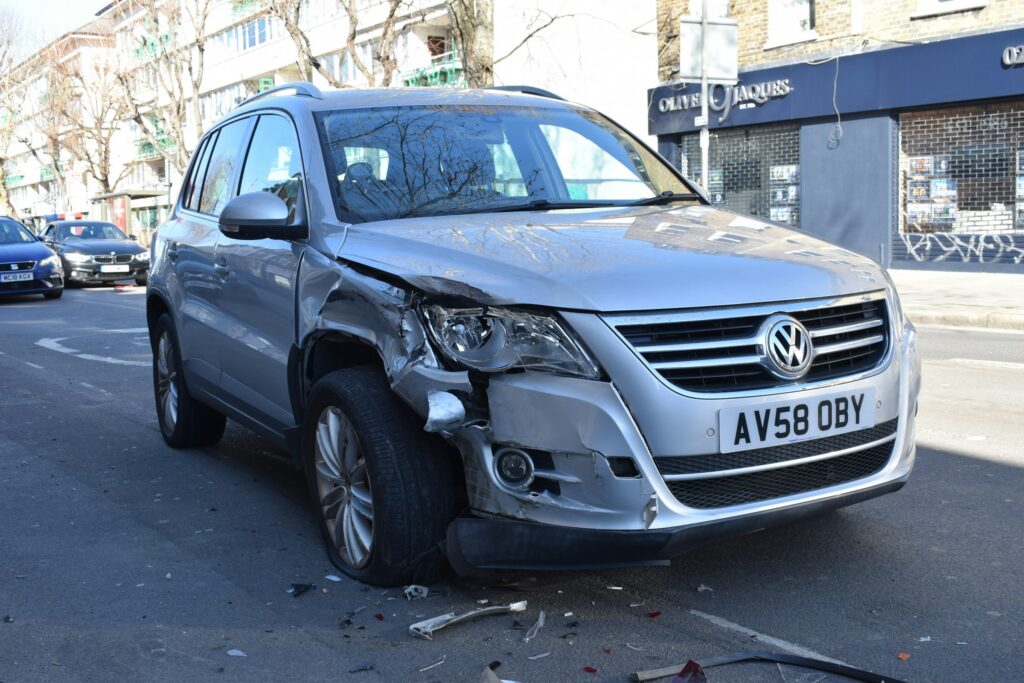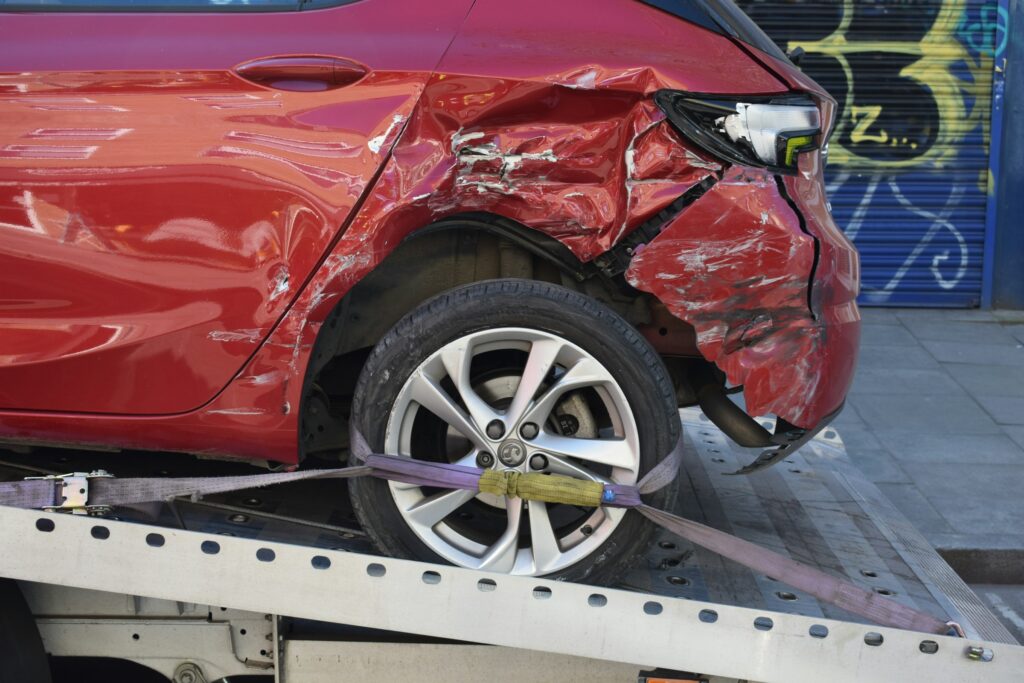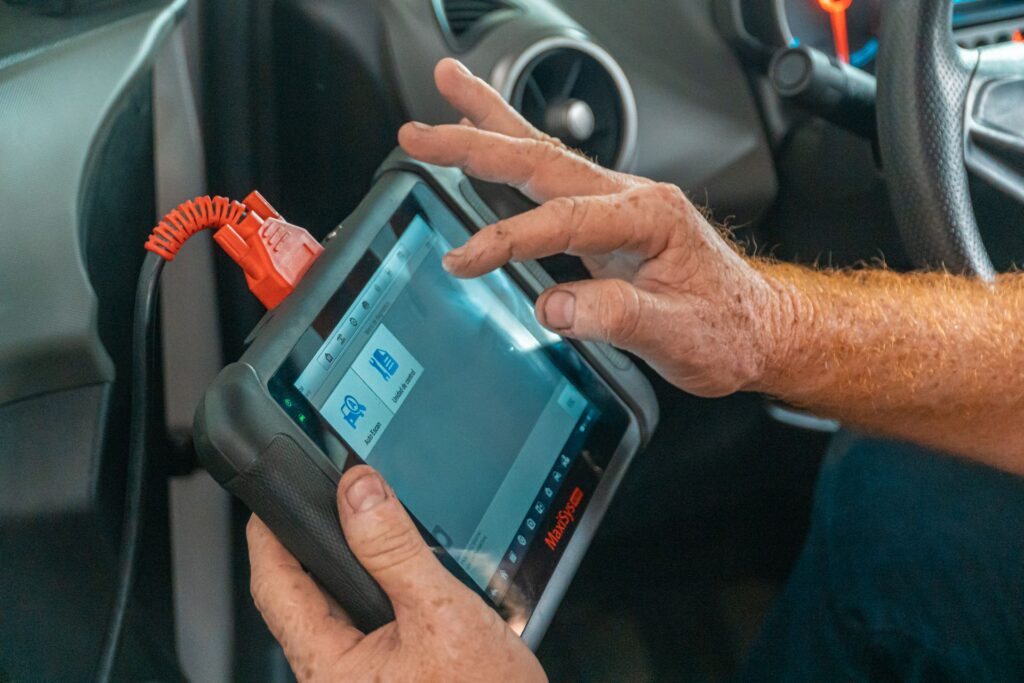
While many drivers are aware of the black box used in aircraft accident investigations, few recognize that a comparable device, known as an event data recorder (EDR), is often present in their own vehicles. The EDR preserves technical data regarding the vehicle’s operation during the critical moments immediately before and after a significant collision.
Typically integrated within the airbag control module or another electronic safety component, the EDR does not continuously record audio or routine driving activity. Instead, it selectively captures specific vehicle and occupant data when a qualifying crash event is detected.
Federal regulations under 49 CFR Part 563 establish uniform standards for vehicles equipped with EDRs. The regulation does not require every manufacturer to install one, although the National Highway Traffic Safety Administration estimates that compliant EDRs are present in nearly all newer passenger vehicles and light trucks.
What EDRs Actually Record
Although the analogy to an aircraft black box is instructive, most EDRs currently in use record only a brief interval prior to a collision, typically five seconds of data. Upcoming federal regulations will require future EDR-equipped vehicles to capture a longer pre-crash window, extending to 20 seconds at an increased sampling rate.
The contents of an EDR report depend on the vehicle and the type of event that triggered the recording. Standardized systems may capture indicated vehicle speed, accelerator or throttle position, brake application, driver seatbelt status, airbag deployment timing, and the change in velocity caused by impact.
Some vehicles record additional information if specialized equipment is installed. Factors like steering input, engine speed, anti-lock brake activity, stability-control engagement, passenger restraint status, or information associated with newer driver-assistance features can all make a difference when it comes time to make a claim to an insurer.
An EDR report does not provide a visual record of the accident and cannot independently establish the full sequence of events. Instead, it offers objective measurements and timestamps that must be analyzed alongside other elements of accident scene reconstruction, like witness statements and physical evidence.
How EDR Data Can Impact An Injury Claim
Following a collision, the parties involved often provide differing accounts of the incident. Police reports are highly dependent on fallible recollection from drivers and witnesses that may have only observed portions of the event, and the report itself is typically prepared after the vehicles have been moved or come to rest.
The EDR provides impartial data. For example, if a driver asserts that they were traveling at a certain speed, the recorded speed data can either corroborate or refute that claim. Similarly, if a driver states that they applied the brakes prior to impact, the EDR’s brake application record may confirm or contradict that assertion within the recorded timeframe.
This objective data is especially useful in cases where liability is contested, and available witness information is inconclusive. Additionally, recorded speed and change-in-velocity information can be critical in assessing the severity of a collision, particularly when an insurer disputes whether the impact was sufficient to cause the injuries alleged.
However, careful interpretation of EDR data is essential. Factors such as sensor limitations, the condition of the vehicle, the duration of the recording window, and the specific nature of the crash event all influence the scope and reliability of the information available, as well as the conclusions that may be drawn.
Why Data Needs To Be Preserved Quickly Post-Incident
It is important not to assume that EDR evidence will remain available after a collision. Vehicles damaged in an accident are usually repaired or disposed of quickly, often before any effort is made to secure the electronic data.
The retention of EDR data depends on both the vehicle and the nature of the crash event. Serious deployment events may be stored in non-volatile memory, but less severe or non-deployment events can be overwritten by subsequent incidents or additional ignition cycles. Delaying action until an insurance dispute arises can result in the loss of critical evidence.
A personal injury attorney may issue a preservation letter, also known as a litigation hold, to the vehicle owner or whoever took control of the vehicle in the aftermath of the incident. This formal notice designates the vehicle and its electronic data as potential evidence and instructs the recipients to refrain from destroying or altering the vehicle or its systems prior to inspection.
A preservation letter does not grant immediate access to another party’s EDR data. Its primary function is to ensure that the evidence remains intact while the attorney initiates discovery or obtains a court order for access.
Accessing Your EDR And The Other Driver’s Data
California Vehicle Code §9951 limits who may retrieve EDR information. The registered owner can authorize extraction from their own vehicle, allowing an attorney and qualified technician to arrange an inspection before repairs or disposal affect the evidence.
Accessing the other driver’s vehicle is more restricted. In most civil accident cases, retrieval requires the registered owner’s consent or an order from a court with jurisdiction. When litigation has begun, an attorney may seek inspection through the discovery process and ask the court to compel preservation or access when necessary.
To these ends, identifying the location and status of each vehicle is essential at the outset of a claim. Legal counsel must determine whether the vehicle is still in the owner’s possession or has been transferred to an outside party to pursue repair or salvage.
Preserving Evidence With Villasenor Law Offices
Many accident victims are unaware of the need to preserve EDR data while their vehicle is being towed or assessed. Frequently, by the time an insurer challenges liability or the extent of injuries, the vehicle has already been repaired, destroyed, or sold off to an unreachable party, all of which makes retrieval of the data impossible.
Villasenor Law Offices can determine whether EDR evidence may be relevant and take steps to preserve the vehicles involved. This can include sending preservation notices, coordinating an inspection of the client’s vehicle, seeking lawful access to the opposing vehicle, and retaining qualified retrieval technicians or accident reconstruction experts.
The EDR report can then be evaluated alongside medical records, witness accounts, scene evidence, and other documentation supporting the claim. Used properly, the data may strengthen settlement negotiations and provide a more precise factual foundation if litigation becomes necessary.
The Collision Starts The Countdown
An event data recorder may contain some of the most objective evidence available after a serious crash. It can help provide verifiable and objective data that can support your claim, but only if the vehicle and its electronic systems remain available for inspection.
After a collision, injured parties should tell their attorney where each vehicle is located and whether it is scheduled for repair, transfer, or disposal. Preserving EDR evidence is an important reason to obtain legal guidance early, because the evidence that helps prove the claim may disappear before the insurance dispute is resolved.
Disclaimer: The content of this website or any blog is for information or educational purposes only. Nothing on this website or blog should be considered legal advice for any individual case or matter. This information is not intended to create, and receipt or viewing does not constitute, an attorney-client relationship.
Frequently Asked Questions: Data Recorders After Accidents
- What is an event data recorder, and what information does it collect?
An event data recorder is an electronic module, typically integrated into a vehicle’s airbag or safety system, that records technical information surrounding certain collisions. Depending on the vehicle, the available data may include speed, brake application, throttle position, seatbelt status, airbag deployment timing, steering activity, and changes in velocity during impact.
- How long does EDR data remain available after an accident?
The amount of time EDR information remains available depends on the vehicle, manufacturer, and type of recorded event. Some serious crash records may remain stored, while certain lower-severity events can be overwritten or affected by later driving, repairs, or changes to the vehicle’s electronic systems. The vehicle may also be repaired, dismantled, sold, or destroyed before anyone retrieves the data, making early preservation essential.
- How can an attorney obtain EDR data after a collision?
A vehicle’s registered owner can generally authorize the extraction of data from their own vehicle. Accessing another driver’s EDR usually requires the owner’s consent or legal action through discovery and a court order. An attorney can send preservation notices, locate the vehicles, arrange for a trained technician to retrieve the data, and work with an accident reconstruction expert to interpret the results.